
A PET blow molding machine is a piece of packaging equipment that heats and softens PET preforms, then uses mechanical stretching and high-pressure air inflation to form them into plastic bottles. These machines are widely used in the production of containers for beverages, drinking water, food, personal care/household products, and pharmaceuticals. Typically, the equipment integrates a heating tunnel with a blow-molding unit.
Core Workflow and Features
Heating and Temperature Control: Preforms are transported into a heating tunnel (commonly using infrared heating), where they are heated above their glass transition temperature into a highly elastic state. Closed-loop temperature control ensures uniform heating, which helps minimize variations in bottle wall thickness.
Stretch Blow Molding and Setting: A stretch rod elongates the preform vertically, while high-pressure air inflates it to conform to the inner walls of the mold. The bottle is then held under pressure to cool and set its shape before being ejected from the mold.
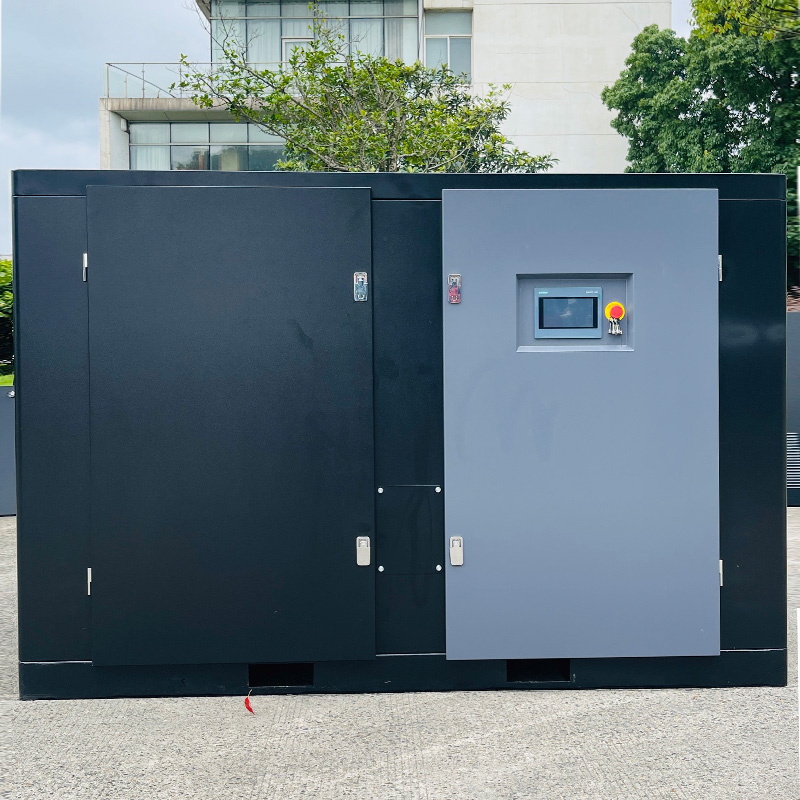
Air Supply System: High-pressure blow molding generally requires a dedicated high-pressure air compressor and an air treatment system.
Common Types and Models
Fully Automatic/High-Speed Multi-Cavity Machines: Designed for medium-to-large-scale production lines (e.g., beverages, mineral water, or fruit juice). Production capacity varies based on the number of cavities and the specific bottle design.
High-Precision/Specialized Machines: Some models are tailored for specific applications—such as cosmetic containers, pharmaceutical reagent bottles, or heat-resistant bottles—placing a strong emphasis on precise, uniform temperature control and specialized mold/heating processes.
Semi-Automatic and Small-Batch Machines: Suitable for prototyping, small-batch production with frequent format changes, or startups with limited budgets. These require manual loading/unloading of preforms and feature a lower level of automation compared to fully automatic lines.
Key Selection Criteria
Bottle Design and Capacity: Consider the neck finish, bottle structure, volume, and whether specific requirements—such as heat resistance, carbonation compatibility, or pharmaceutical-grade standards—are needed.
Production Capacity and Number of Cavities: Determine the required output (bottles per minute/hour) and shift duration to calculate the necessary number of cavities and the required operational stability.
Energy Consumption and Maintenance: Evaluate heating efficiency, the use of servo-driven/all-electric versus pneumatic systems, the availability of universal spare parts, and the quality of after-sales support.